Thessaloniki
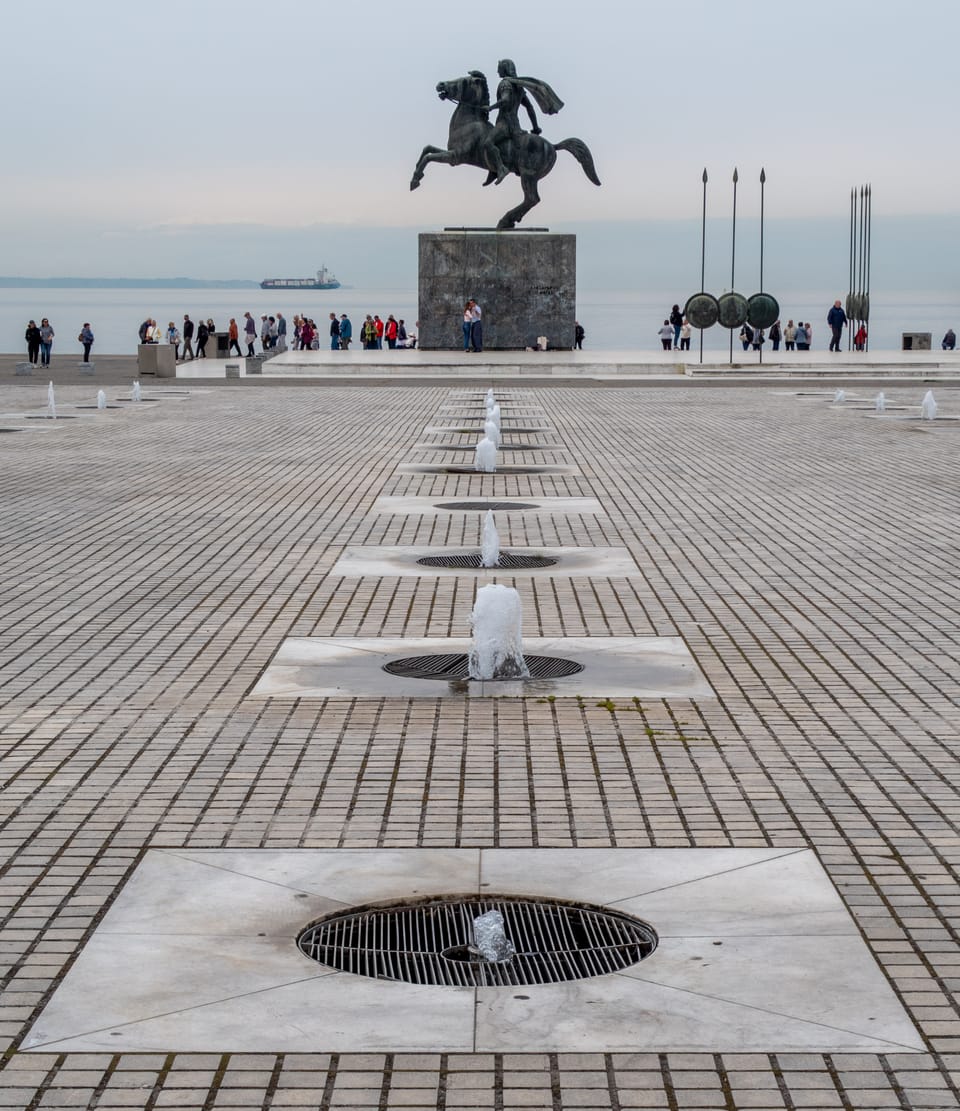
The Viking Vesta docked at the Alexander the Great cruise terminal in Thessaloniki (pronounced "Thes-a-low-nee-key"). It is Tuesday following Orthodox Easter, and the city is still recovering from festivities. Many of the shops were closed, and many people had left town for their villages.
The city was founded in about 400 BC by Cassander, the King of Macedon. He was married to Thessaloniki, the sister of Alexander the Great, and named the new city after his wife to ingratiate himself to Alexander. Curiously, although the character of Alexander the Great looms large over this city, he never visited himself.
Aristotle was also born nearby, and one of the universities here is named after the famous philosopher. At one point, Aristotle was hired by King Phillip II to tutor his son Alexander, that is, "Alexander the Great."
Thessaloniki is a vibrant, thriving, modern city with about a million inhabitants in the city and suburbs. The city is in the Greek region of Macedonia, which is distinct from the nation of the same name that is to the north. To this day, there is a dispute between the Greeks and their neighbors to the north regarding who had the right to use the name.
We did the tour that was included with our cruise. It was a basic bus tour, but very informative and the guide was excellent. The tour started along the waterfront, which reminded me of the Chicago lakeshore. It is wide and paved. There were lots of local people strolling along and riding bicycles and scooters. There was a lot of public art. One of the primary landmarks is a tower that was built by the Ottomans.
The history of Rome, Byzantium and the Ottoman empire is forefront in the memories and culture of the people in this region. Memories of the Ottoman occupation remain fresh in both Thessaloniki and Athens.
Until recently, Thessaloniki was a majority jewish city. The Ottomans invited the jews to the city when they were expelled from Spain by Queen Isabella. Although the Ottomans were Muslim, they recognized the contributions that the highly educated jews could make to their society. During WW II, the city was occupied by the Germans, and they captured many of the jews in the region and, late in the war, send them to concentration camps.
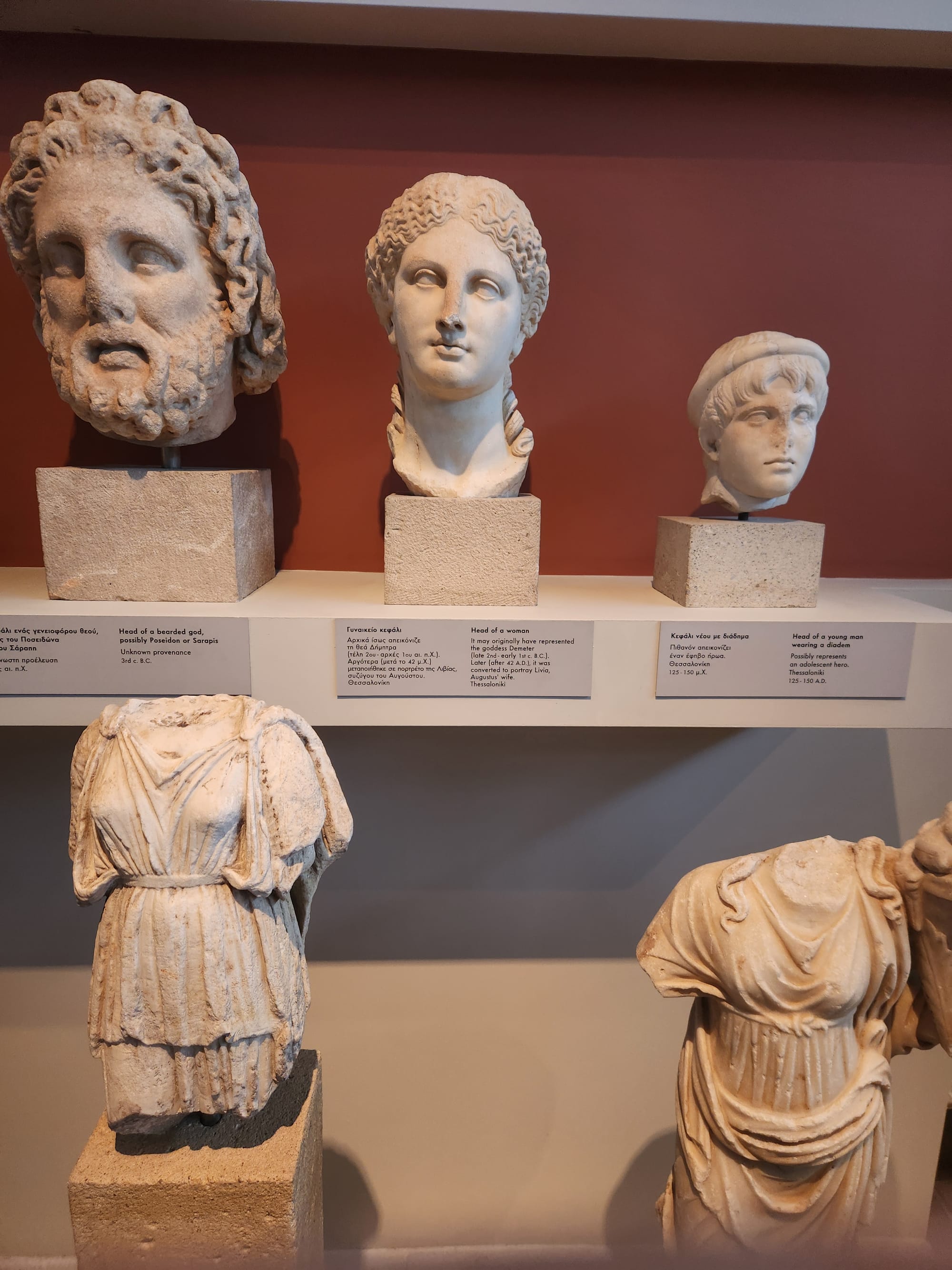
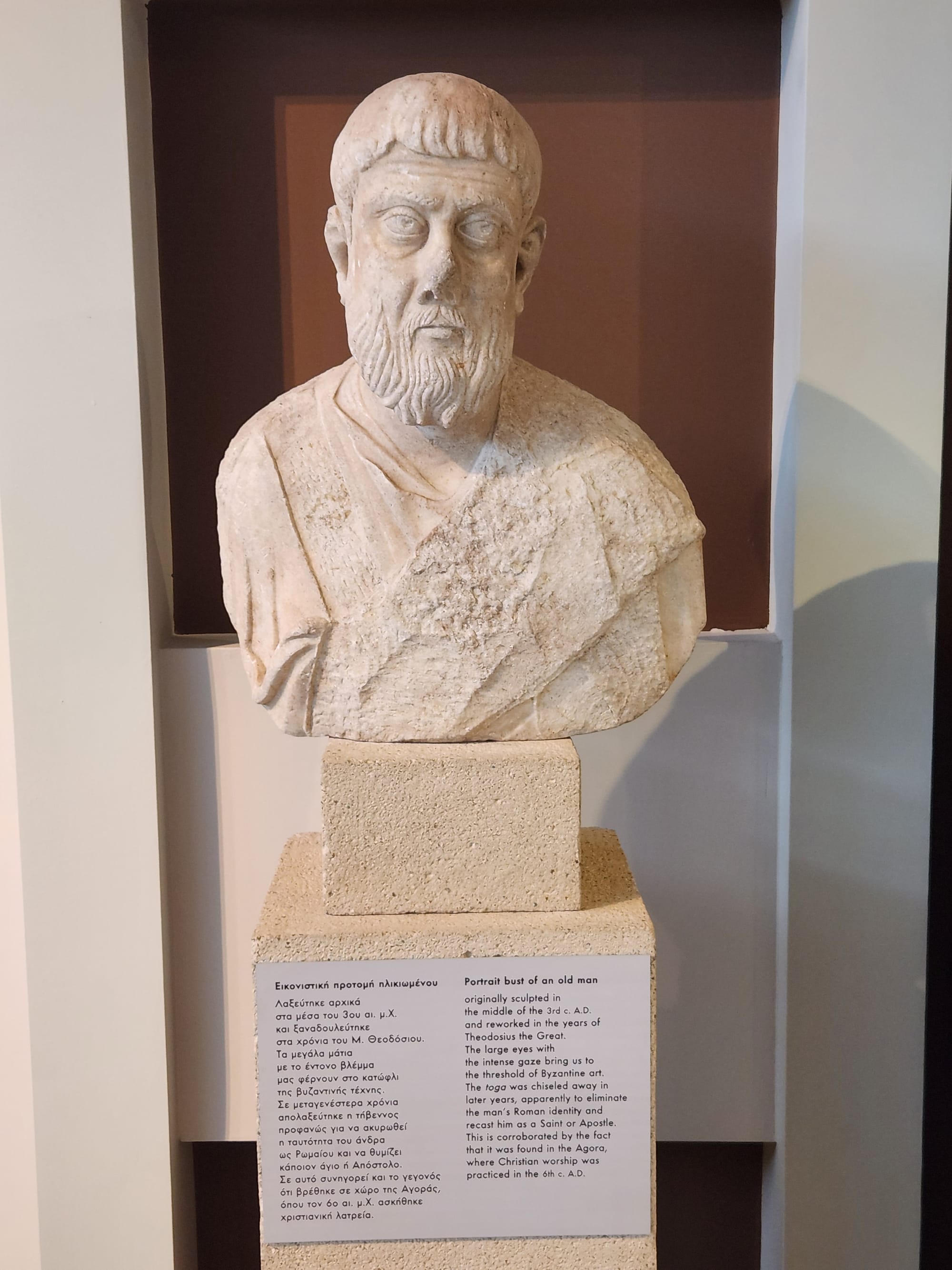
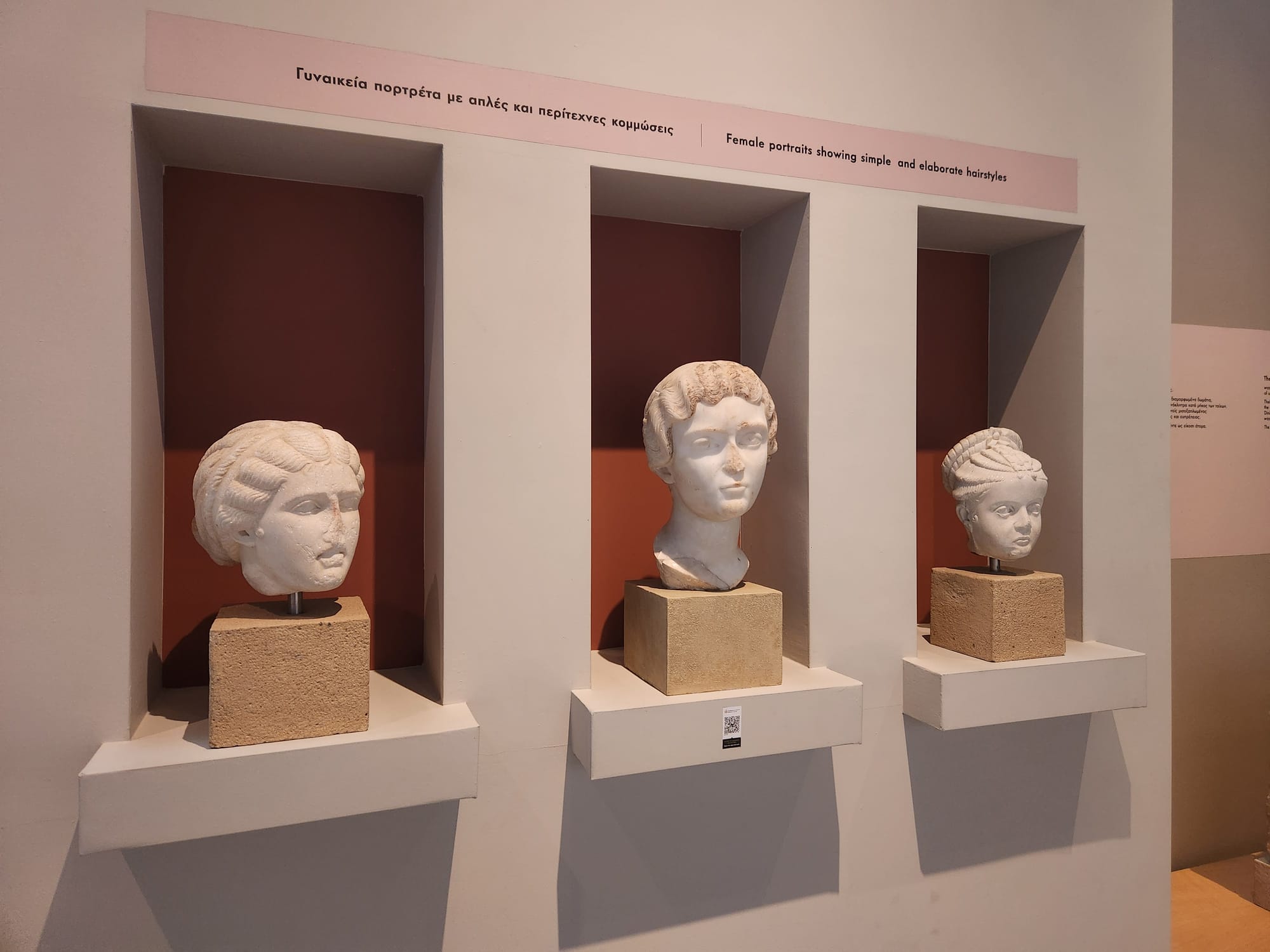
Our tour also took us to the ancient history museum. It is a very modern museum with a wonderful collection from the region. Many of the objects date from several hundred years before Christ.
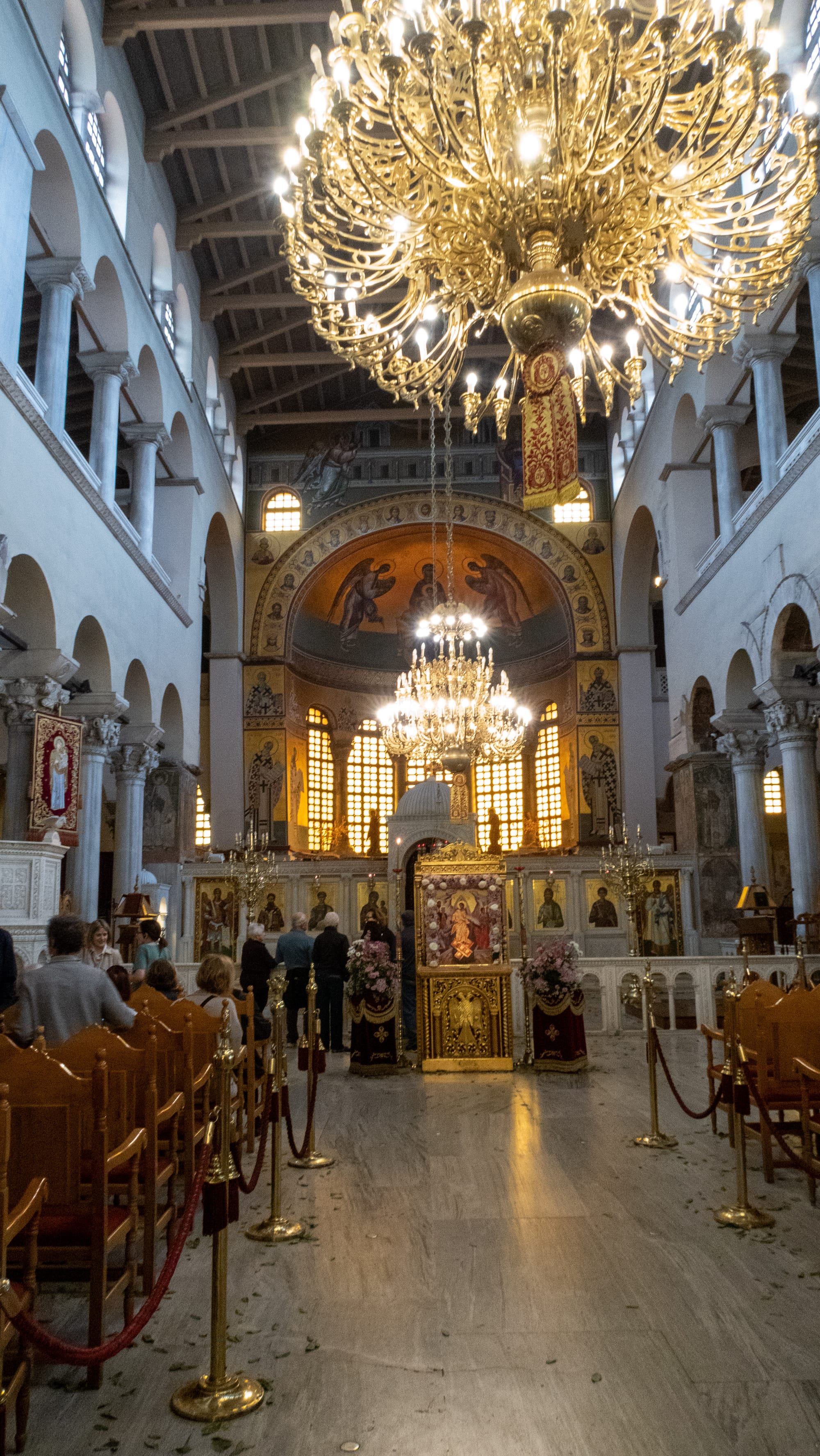
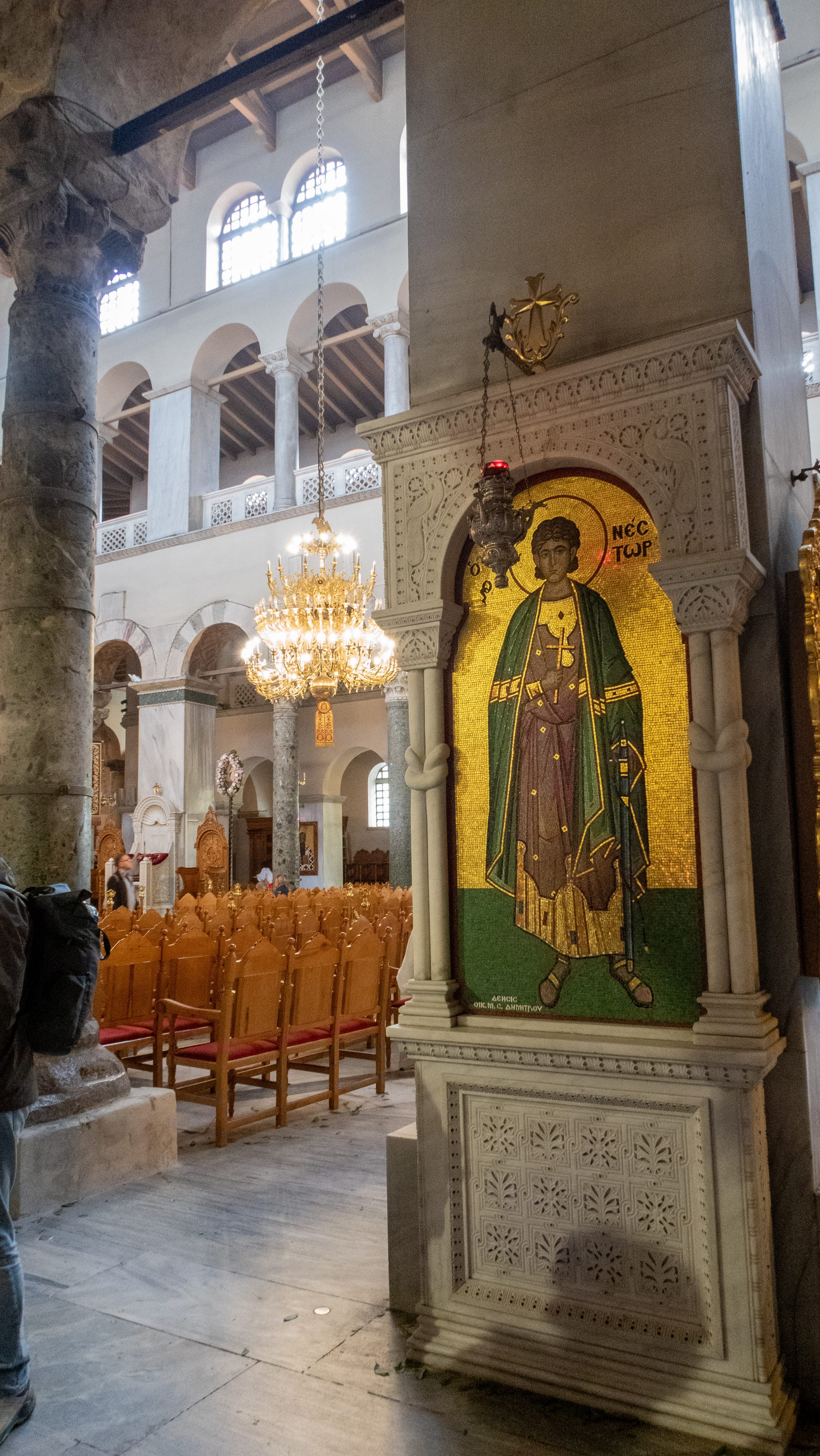
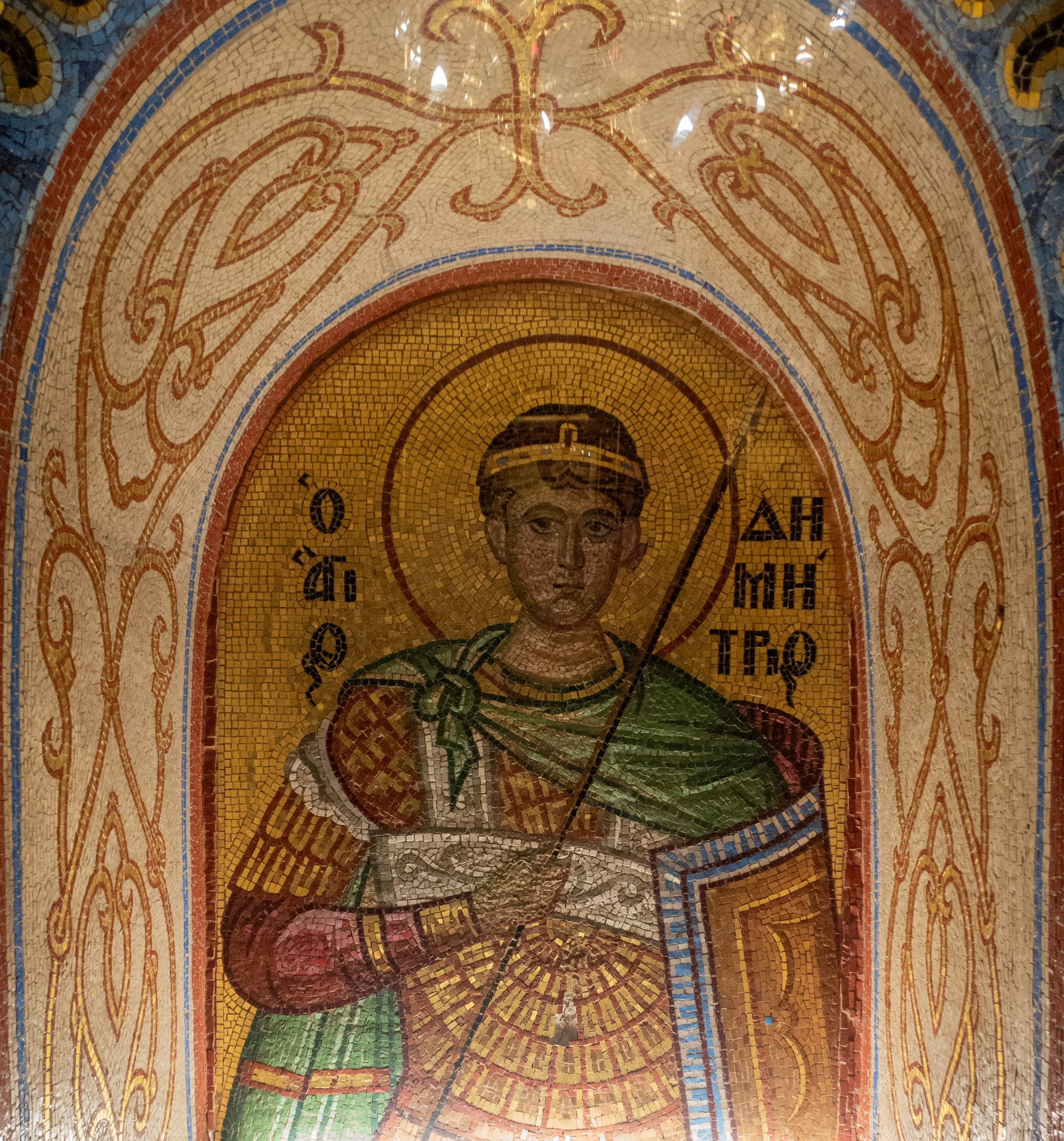
We toured the Orthodox Church of St. Demetrios (Haggia Demetrios). St. Demetrios is the patron saint of Thessaloniki, and recognized by both the Orthodox Church and the Roman Catholic church.
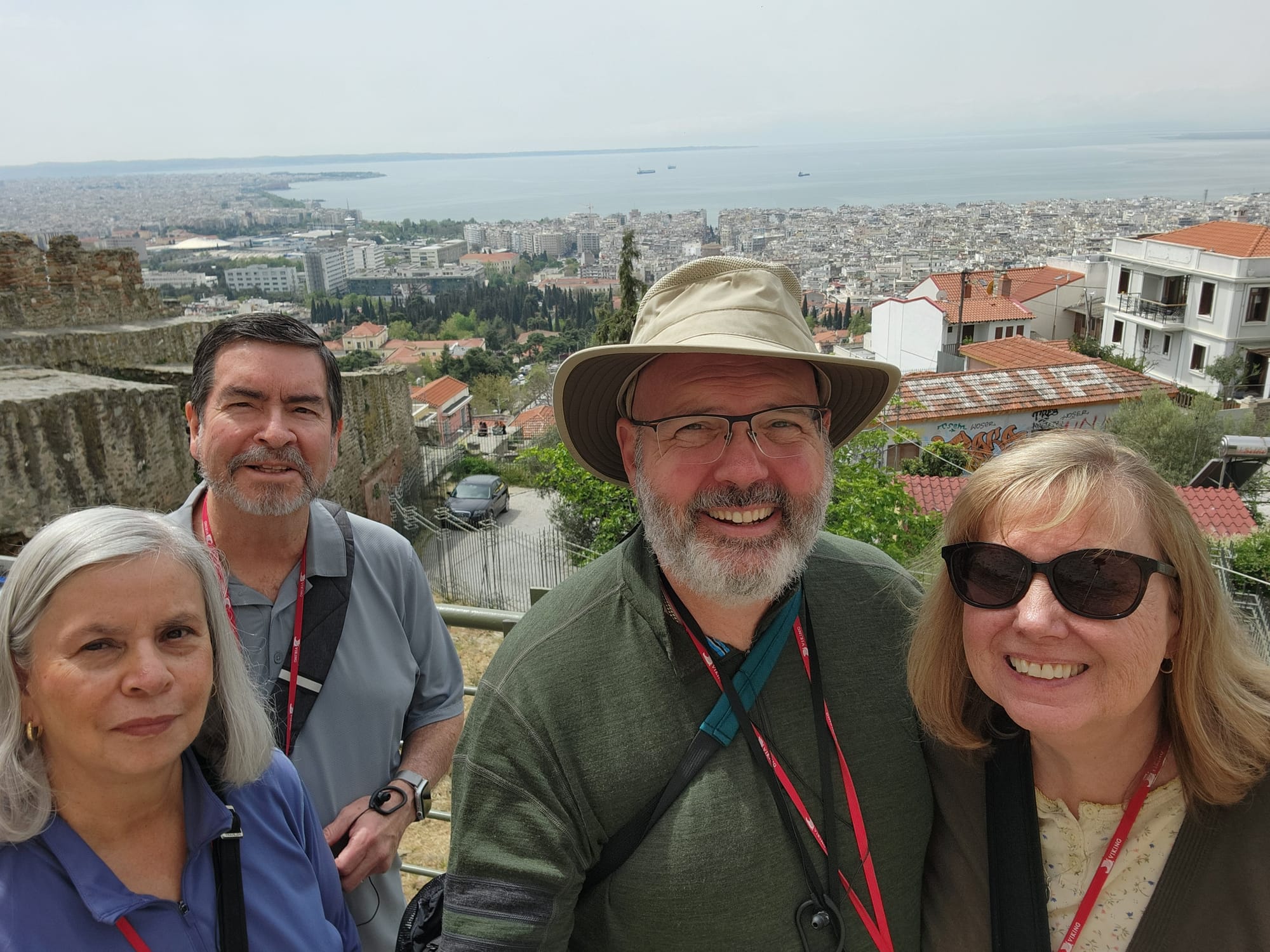
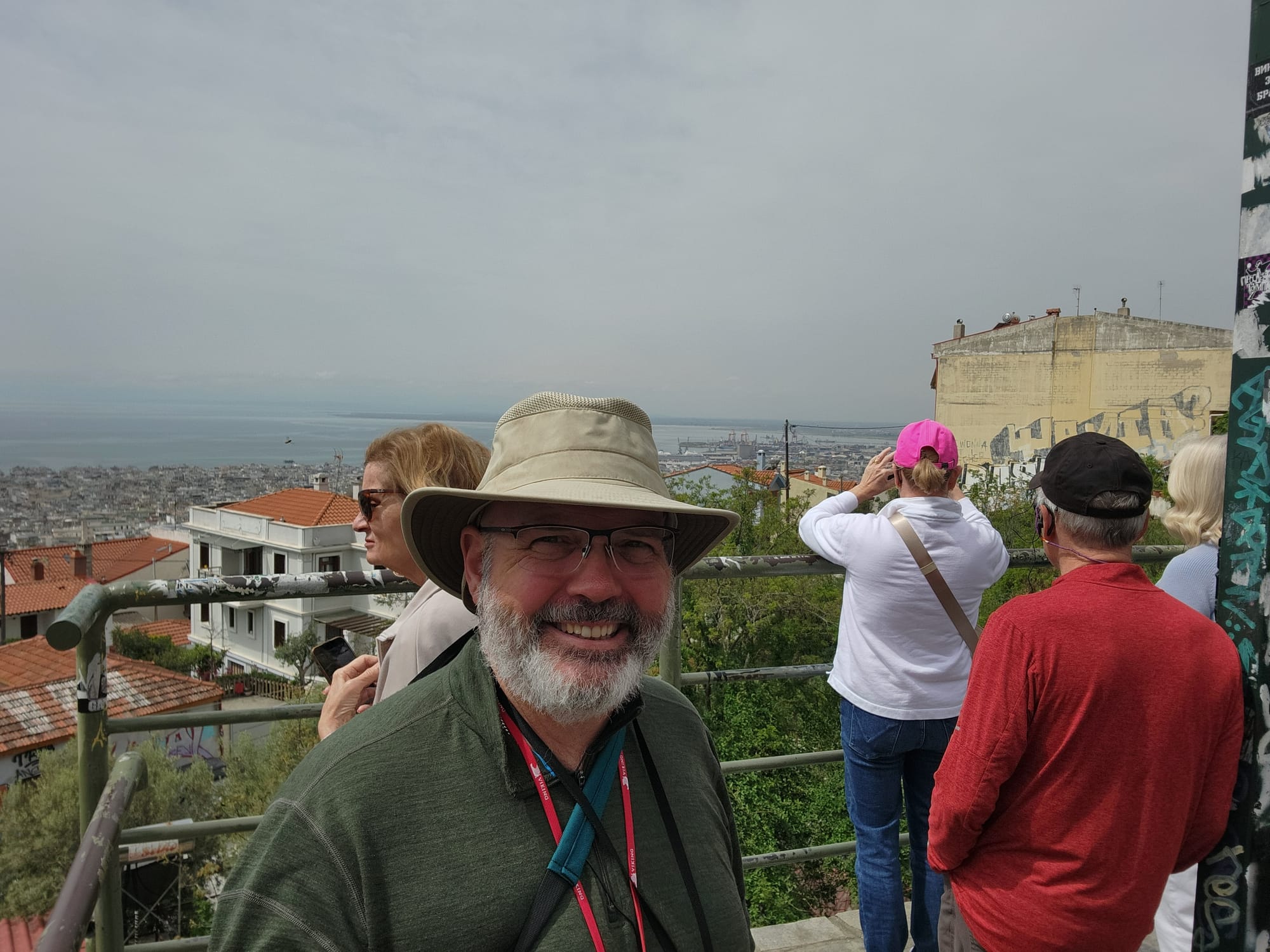
Our tour continued to the Heptapyrgion, a hilltop fortress overlooking the town to the south. The fortress was built during the Byzantine empire. We didn't actually enter the fortress, but stayed outside the walls admiring the view of the bay.
We returned to the ship shortly after noon.
Member discussion